







Japanese Interval Walking on a Treadmill: The 3-3 Method
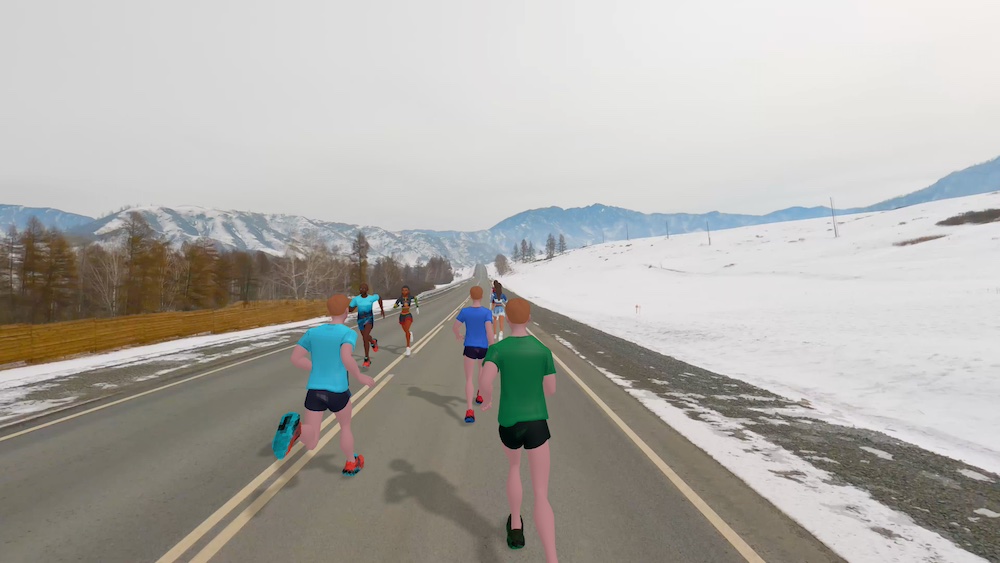
Japanese Interval Walking on a Treadmill: The 3-3 Method
Japanese walking is having another moment online, often described as a secret 30-minute method that beats 10,000 steps. The useful part is simpler than the posts make it sound.
It is interval walking: three minutes easier, three minutes brisk, repeated five times. You do not need a special treadmill mode, a new machine, or Bluetooth. You need two paces you can tell apart, and a timer.
This guide covers how to set those paces on a treadmill or walking pad, how to scale the session if 30 minutes is too much, and how it differs from steady incline walks like 12-3-30 or 4-4-40. It is not a medical program, a fat-loss guarantee, or a promise that interval walking will fix blood pressure.
If you have chest pain, dizziness, unexplained shortness of breath, or a condition that makes harder walking uncertain, talk with a clinician before you start intervals. Stop if something feels wrong.
What Japanese Walking Actually Is
The trend name usually points to interval walking training (IWT), sometimes called the 3-3 method. A widely cited 2007 Mayo Clinic Proceedings study from researchers at Shinshu University compared a higher-intensity interval walking program with moderate continuous walking in middle-aged and older adults over several months. In that group, the interval program was associated with larger improvements in aerobic fitness, thigh strength, and blood pressure than the steady-walking comparison.
That is interesting context. It is not a universal result, and it does not mean a 30-minute treadmill session will produce the same changes for every reader. Many viral summaries add claims the paper does not support, such as dramatic disease-risk percentages or guaranteed fat loss.
For a practical session, keep the structure and judge effort with how you feel:
- Warm up with easy walking.
- Walk briskly for 3 minutes.
- Walk easily for 3 minutes.
- Repeat the pair five times (about 30 minutes of intervals).
- Cool down with a few easy minutes.
The Cleveland Clinic's explainer describes the same alternation and suggests starting with shorter chunks if a full 30 minutes feels like too much. That is the right instinct.
How Hard Should Each Interval Feel?
Ignore fixed mile-per-hour screenshots until you have a feel for the contrast.
Use the CDC talk test as a starting guide, not a lab test:
- Easy interval: You can talk in full sentences. Breathing settles. This is a recovery walk, not a second hard block.
- Brisk interval: Talking in complete sentences gets harder. You can still speak in short phrases. It should remain a walk, not a jog or a sprint.
If the “brisk” block feels identical to the easy block, raise only the fast pace (or, later, a little incline). If you cannot recover during the easy three minutes, the fast pace is too hard, or the easy pace is not easy enough.
Heart-rate targets can wait. Age-based formulas are averages. If a watch number makes you break walking form or hang on the rails, ignore the watch and fix the pace.
A Simple Treadmill Session
Clip the safety key if the machine has one, know where Stop is, and start with the belt slow enough to step on calmly.
Warm-up (3–5 minutes): Easy walk, flat belt.
Main set (about 30 minutes): Five rounds of:
| Interval | Time | Effort cue |
|---|---|---|
| Brisk | 3 minutes | Short phrases only; still walking |
| Easy | 3 minutes | Full sentences; breathing comes down |
Cool-down (2–5 minutes): Back to an easy walk, then step off carefully.
You can start the first brisk block right after the warm-up, or take one extra easy minute if you need it. The five rounds are the workout; the warm-up and cool-down sit outside that count.
Starting Speeds Are Examples, Not Rules
There is no official treadmill speed for Japanese walking. Height, fitness, stride, belt calibration, and whether the deck is flat all change how a number feels.
These are conservative starting points to try and then adjust:
| Interval | Example starting range | What to change if it feels wrong |
|---|---|---|
| Easy | About 2.2–2.8 mph (3.5–4.5 km/h) | If you are still panting, slow down |
| Brisk | About 3.4–4.0 mph (5.5–6.5 km/h) | If it becomes a shuffle-jog, slow down or use a little incline instead |
A newer walker may need both numbers lower. A fitter walker may need a faster brisk pace, or a modest incline, because a walking-speed ceiling arrives before the effort does. Recalibrate after two or three sessions rather than copying someone else's screenshot.
Incline Is Optional
The classic interval-walking idea is a change in walking effort, usually through speed, on relatively flat ground. You do not need 12% incline to “make it count.”
If flat brisk walking is no longer challenging and a faster belt turns into a jog:
- Add a small grade (often 1–2%, sometimes a bit more) on the brisk minutes only, or
- Keep a mild grade the whole time and still change speed.
Do not jump speed and incline at the same time. Steeper grades also load the calves and Achilles; if those tissues are cranky, keep the belt flatter and shorten the session instead. If you have to hang on the rails to survive the brisk block, the setting is too hard.
On a Walking Pad
A walking pad is a good fit for this workout because the method is timed, not based on a long running stride. Two limits matter:
- Top speed. Many pads cap around 4 mph. That can be a solid brisk pace for some people and too easy for others. If you hit the cap and the block still feels easy, you cannot simply keep raising speed. Skip homemade incline hacks. Use only the incline the manufacturer supports, or accept a flatter, more moderate session.
- Under-desk use. Japanese walking's brisk interval is a focused effort, not a typing pace. Save the 3-3 session for a time when you can swing your arms and watch your footing. Easy under-desk walking can still be useful movement; it is just a different session.
How to Scale It
You do not have to complete five rounds on day one.
- New to intervals: Start with two or three rounds (12–18 minutes of intervals), plus warm-up and cool-down.
- Building up: Add one round when the current session feels repeatable, not heroic.
- Weekly rhythm: Two to four sessions in a week is plenty for most people, especially if you also walk outdoors or strength-train. Leave a least-easy day around harder workouts.
- If you miss a week: Return to the last version you could finish comfortably. Do not “make up” with a harder, longer day.
If even easy walking for 10–15 minutes is still a project, begin with the 4-week indoor beginner plan and add 3-3 intervals later.
How This Differs From 12-3-30 and Zone 2
These workouts get mixed together because all of them can happen on a treadmill. They are not the same session.
| Workout | Main idea | Typical belt setup |
|---|---|---|
| Japanese / 3-3 walking | Alternate easier and brisk walking | Usually flat; speed changes every 3 minutes |
| 12-3-30 | One steady incline walk | 12% at 3 mph, often scaled down |
| 4-4-40 | A longer, milder steady incline walk | 4% at 4 mph for 40 minutes |
| Zone 2 incline walking | Hold an easy, conversational effort | Speed and incline are only the knobs |
You can have both interval days and easy steady days in the same week. You do not need to stack a 12% climb onto the brisk minutes to get more “trends” into one workout.
Common Mistakes
- Turning the brisk interval into a run. The method is walking. If the belt forces a jog, lower the speed.
- Making recovery too hard. The easy minutes are there so the next brisk block is still a brisk block.
- Holding the handrails the whole time. It shortens your stride and undercuts the work. Lower the workload instead.
- Skipping the warm-up. The first fast block feels worse if you jump straight into it.
- Trusting console calories. Those numbers are estimates and vary by machine. Time, pace, and how the effort felt are better notes.
- Treating 10,000 steps and interval walking as rivals. Daily steps and a 30-minute structured walk can coexist. The 10,000-step figure is a round target, not a law; interval walking is one way to make some of those minutes more intentional.
How to Log the Session
Write down date, number of rounds, easy speed, brisk speed, incline if any, and one word for how the last brisk block felt (controlled / too hard / too easy). That is enough.
If you want the phone to keep the timer and the scenery:
- No Bluetooth? Manual mode in Treadmill Buddy still lets you run a scenic route while you change speeds on the console every three minutes.
- On a compatible Bluetooth / FTMS treadmill, the app can follow live speed as you switch paces. Compatibility varies by machine; see the FTMS compatibility list.
- Download on the App Store or Google Play.
Quick FAQ
Do I need a treadmill?
No. The original idea is walking, often outdoors on fairly flat ground. A treadmill just makes the two paces easier to repeat.
Should the easy interval be a complete stroll?
Easy enough to recover, not a standstill. If you are still gasping at the start of the next brisk block, slow the easy pace or lower the previous brisk pace.
Can I do this every day?
Some people like a near-daily easy walk. Treat the full 3-3 session as work you can recover from. If your legs or energy fade, add rest days or swap in an easy steady walk.
Is this better than 10,000 steps?
It is a different dose: a short, structured contrast in pace, not a daily step total. One does not automatically replace the other, and neither is a medical treatment.
Can I combine it with 12-3-30?
Not in the same 30 minutes, at least not at first. Keep them on separate days until both feel routine.
Bottom Line
Japanese interval walking is a 3-minute easy, 3-minute brisk walk, repeated five times. On a treadmill, that means two speeds you can actually tell apart, optional incline, and a timer. Start with fewer rounds if you need to, keep the brisk block a walk, and let recovery be recovery. The trend is useful when you treat it as a repeatable session—not as a miracle setting hiding in the console.