







Zone 2 on the Treadmill: Hold Easy Effort With Incline Walking
Zone 2 on the Treadmill: Hold Easy Effort With Incline Walking
You set a gentle incline, start walking, and check your watch. Ten minutes later, your heart rate has crept up—even though the belt has not changed speed. Should you slow down, lower the incline, or ignore the number?
Zone 2 treadmill walking works best when you stop treating a particular incline and speed as the workout. The target is a sustainable aerobic effort; the controls are simply how you get there.
Here is how to find that effort, keep it steady, and make longer sessions less boring—without pretending Zone 2 has exclusive access to fitness benefits.
What Does Zone 2 Mean on a Treadmill?
“Zone 2” is not a universal setting. In many five-zone systems, it describes an easy aerobic intensity below the first ventilatory or lactate threshold: an effort at which breathing remains controlled and conversation is comfortable. In a three-zone model, that same easy work may be called Zone 1. Watch labels and percentage ranges can therefore disagree.
For this guide, think easy, conversational aerobic work, not a laboratory-confirmed metabolic zone. A 2025 study of trained cyclists found substantial individual variation in commonly used Zone 2 markers; it was not a treadmill-walking study, but it illustrates why one percentage cannot define everyone's effort. Incline walking is one way to reach an easy workload without running. Flat walking may be enough, especially when you are starting out.
A heart-rate estimate can help, but it does not prove that you are below an individual threshold. Age-based formulas, watch settings, and fitness differences all affect the usefulness of a displayed zone. The American Heart Association's heart-rate guidance describes its age-based figures as averages and a general guide, not individualized prescriptions.
Use the Talk Test First
During your steady walking block, say two or three complete sentences aloud. You should be able to finish them comfortably, without needing repeated pauses for breath. For this easy session, aim for conversation that feels relaxed rather than barely possible.
The CDC's talk test says moderate activity generally allows talking but not singing. That is a broad intensity guide, not a precise Zone 2 measurement. Use comfortable conversation as a practical check, alongside how the effort feels and any useful heart-rate trend.
Nasal breathing can be comfortable, but it is not a pass-or-fail test. Do not force it or assume that breathing through your nose proves your training zone.
Is Zone 2 Overrated? Separate the Tool From the Hype
The useful question behind the “Zone 2 is overrated” discussion is whether easy aerobic work has unique powers that other training lacks. You do not need that claim to justify a treadmill walk.
Easy sessions are a way to accumulate aerobic training time at a manageable effort. They can fit alongside harder workouts, strength training, and ordinary daily activity. They are not a replacement for every other kind of exercise, and there is no reason to claim that only this narrow intensity produces mitochondrial adaptations.
A 2025 narrative review in Sports Medicine challenged claims that Zone 2 is the optimal intensity for improving mitochondrial capacity in the general population. That questions its advertised superiority, not whether an easy walk can have a place in your week. It also does not establish one ideal training mix for every reader.
The Physical Activity Guidelines for Americans recognize both moderate and vigorous aerobic activity, alongside muscle-strengthening activity. They do not require a particular watch zone or treadmill recipe.
So the treadmill use case survives the debate: it gives you a controllable environment for repeatable, conversational exercise. The value is the work you can sustain consistently—not a special incline, a perfect heart-rate number, or exclusive “mitochondrial magic.”
How to Find Your Zone 2 Incline-Walking Settings
Treat the first few sessions as calibration, not a test of how steep you can go.
1. Warm Up Before Choosing Your Working Pace
Start with about five minutes of comfortable walking on a flat or nearly flat belt. Begin slower if needed. Let your breathing settle before increasing the workload.
Attach the safety clip if your treadmill has one, know where the stop control is, and choose settings that let you walk naturally without leaning on the rails. If you need the rails continuously to manage the workload, reduce it.
2. Set a Comfortable Walking Speed
Find a pace that feels coordinated and unhurried. Do not force a fast walk just because somebody else's Zone 2 screenshot shows one.
For some people, 3% incline at 3.6–3.8 mph feels sustainable. For others, it is too demanding or awkward. Those settings are an example to evaluate, not a prescription or a required starting point. A slower pace may be the better choice.
3. Add Incline Gradually
If flat walking is too easy for the session you want, add a small amount of incline. Hold that setting for a few minutes, then repeat your conversation check. Heart rate and breathing need time to respond; avoid changing the controls every few seconds.
If conversation becomes strained, lower the workload. You can reduce the grade, reduce speed, or both. There is no bonus for keeping a setting that pushes you out of the intended effort.
4. Record a Starting Range, Not One Perfect Number
Afterward, note your speed, incline, approximate heart-rate trend if available, and how conversation felt. Also note anything unusual, such as a warm room or a tiring day.
Use those notes to choose your next starting point. Do not assume yesterday's combination must produce the same effort today.
Incline vs. Speed: Which Should You Change?
Use the control that improves both effort and walking quality.
| What you notice | Practical adjustment |
|---|---|
| Fast walking feels rushed or awkward | Reduce speed; consider a little incline only if more effort is needed |
| A steep grade makes your calves work much harder than your breathing suggests | Lower the incline and reassess before adding speed |
| Conversation becomes less comfortable | Reduce incline or speed, then give the change time to settle |
| Flat walking already feels like enough | Keep it flat; incline is optional |
| Your walking pad has no incline | Use a comfortable speed and accept the effort it provides |
A steeper, slower combination and a flatter, faster combination may produce a similar heart-rate reading, but they need not feel the same in your legs. Choose the version that lets you maintain a natural stride and comfortable breathing.
Never prop up a walking pad to create an improvised incline. Use only the incline options and setup permitted by its manufacturer. If a flat pad cannot provide your desired workload comfortably, choose a different session rather than overstriding or exceeding its limits.
What to Do When Heart Rate Creeps Up
An unchanged belt setting does not guarantee unchanged effort. During a longer session, heart rate can rise as you warm up, particularly in a hot room. The American Heart Association's heat guidance explains that heat adds to the heart's workload.
Check three things before chasing the display:
- Conversation: Can you still speak comfortably?
- Conditions: Is the room getting hot, and would a fan help?
- Measurement: Is the reading plausible, or did it jump abruptly without a matching change in effort?
If breathing is getting harder, ease off. If only the wrist reading jumps, check the device fit and reassess rather than instantly changing multiple settings. Do not ignore how you feel just to stay inside a colored watch band.
Keep water accessible and avoid turning an easy session into a contest with yesterday's pace. If medication affects your heart rate or you have exercise restrictions, ask your clinician how to monitor effort instead of relying on generic zones.
Three Sample Zone 2 Treadmill Sessions
These are templates, not mandatory targets. Use your own comfortable settings throughout. If you cannot maintain easy conversation, reduce the workload or shorten the session.
Session A: A 20-Minute Calibration Walk
- 5 minutes: Easy warm-up on a flat or nearly flat belt.
- 10 minutes: Comfortable walking; try one small incline adjustment if needed.
- 5 minutes: Easy cool-down.
Check conversation early and midway through the steady block. The goal is to learn a repeatable starting range, not maximize incline.
Session B: A 35-Minute Steady Aerobic Walk
- 5 minutes: Gradual warm-up.
- 25 minutes: Conversational walking, with a quick effort check every five minutes.
- 5 minutes: Easy cool-down.
Keep the workload steady unless effort changes. Lowering the grade midway through is good pacing, not a failed workout.
Session C: A 50-Minute Scenic Walk
- 5 minutes: Comfortable warm-up.
- 40 minutes: Easy walking while following a scenic route.
- 5 minutes: Easy cool-down.
Choose this only when shorter sessions already feel manageable. A scenic hill is not an instruction to increase your real treadmill incline. Let the route change while your intended effort stays easy.
Progress by Time Before Chasing Steeper Hills
Start with a duration you can finish comfortably and repeat without making the rest of your week harder to manage. When that feels routine, extend one session by a few minutes rather than increasing time, speed, and incline together.
There is no need to turn every walk into a progression test. A repeatable easy session remains useful even when the numbers do not change. Judge the session by sustainable effort and consistency, not the treadmill's calorie estimate.
Make Longer Sessions Less Boring With Treadmill Buddy
Once you have found a comfortable workload, entertainment can help you stay engaged without constantly touching the controls.
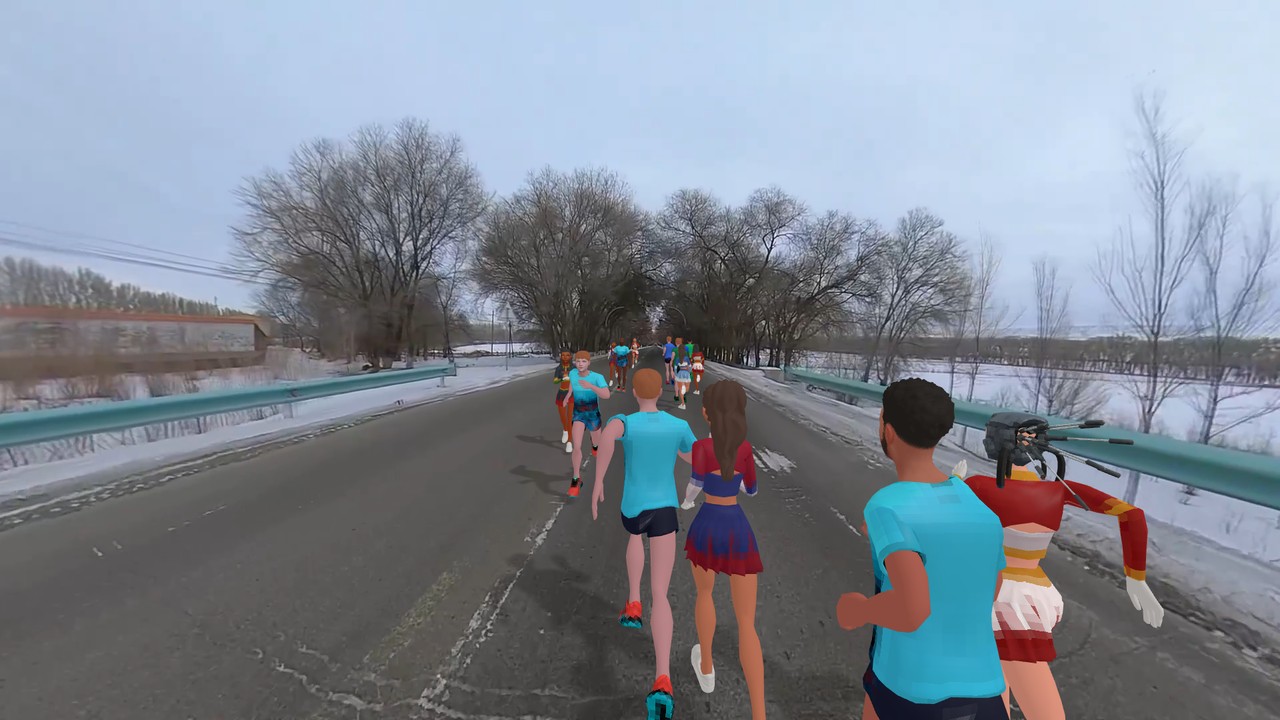
The Treadmill Buddy app offers AR and scenic routes for a more engaging indoor session, plus training plans to give your week structure. Choose a route you enjoy and keep your conversation check—not the scenery—in charge of effort.
With a compatible treadmill and supported features, Bluetooth FTMS can connect the app to your equipment. Compatibility varies: Bluetooth alone does not establish FTMS support, and a connection does not guarantee automatic incline control. If your treadmill or walking pad is unsupported, use Manual mode and adjust the machine yourself. In Manual mode, app speed and distance are simulated from workout targets, not measured belt data.
Explore Treadmill Buddy to make easy aerobic time more enjoyable, not unnecessarily harder.
Frequently Asked Questions
What incline and speed are best for Zone 2 treadmill walking?
There is no universal combination. Start with comfortable flat walking, add incline only if needed, and adjust until conversation remains relaxed. A setting such as 3% at 3.6–3.8 mph is not automatically Zone 2 for you.
Can I do Zone 2 on a walking pad without incline?
Yes, if comfortable flat walking provides the easy aerobic effort you are targeting. If it does not, the walk can still contribute to daily movement. Do not force an awkward pace just to earn a zone label.
Do I need a heart-rate monitor?
No. The talk test is a practical starting tool. A monitor can add context, but neither a watch nor conversation alone confirms an exact physiological threshold.
Does incline walking specifically burn belly fat?
No. Do not treat a treadmill incline or heart-rate zone as a way to choose where your body loses fat. Keep the session focused on manageable aerobic activity rather than targeted-fat-loss promises.
When should I stop rather than adjust the settings?
Stop if you develop pain, dizziness, chest discomfort, or unusual breathlessness; seek appropriate medical help for concerning symptoms. This guide is general exercise information, not individualized medical advice.
The takeaway: Find a natural walking pace, use incline only as needed, and keep conversation comfortable. You do not need to settle the entire Zone 2 debate to make good use of an easy treadmill walk.